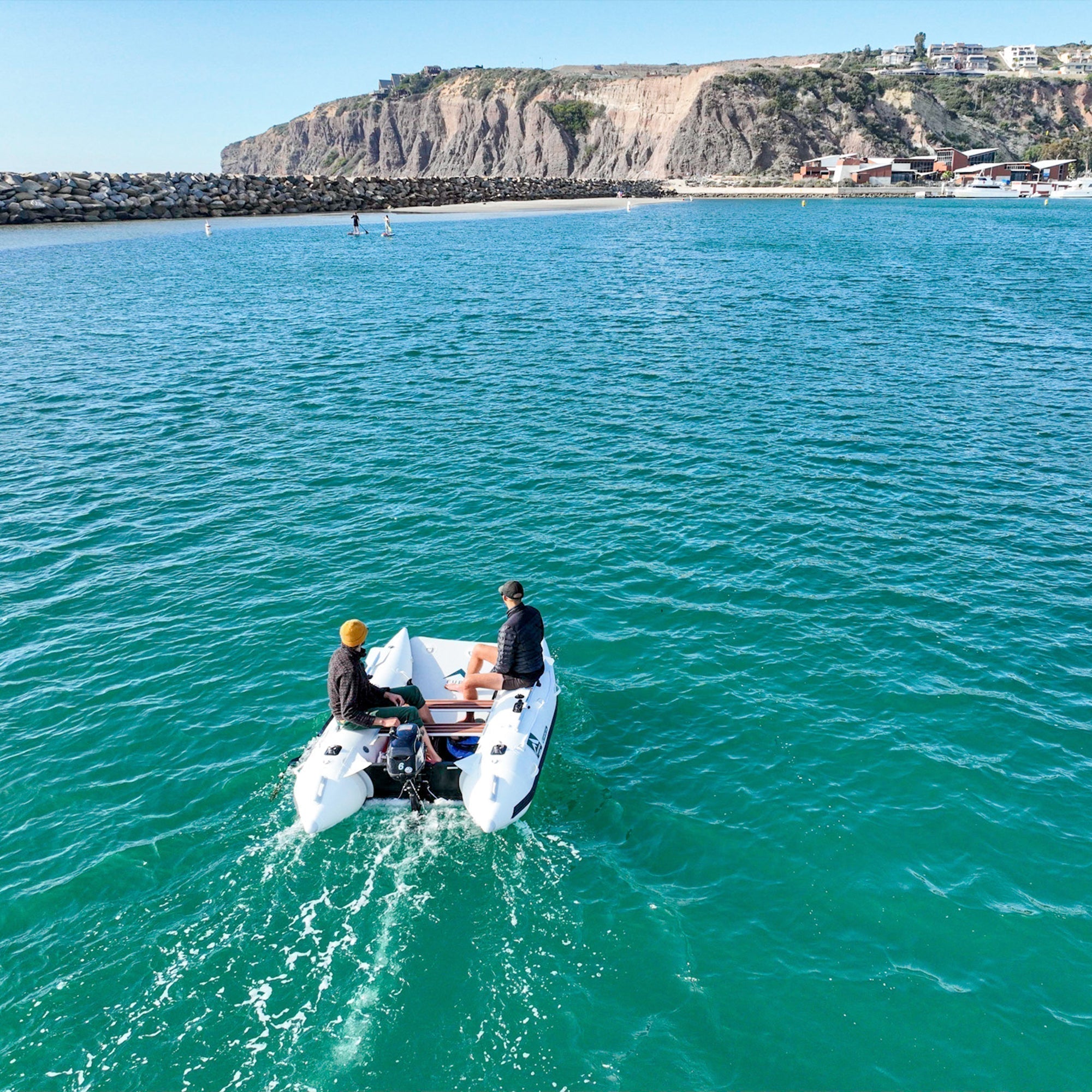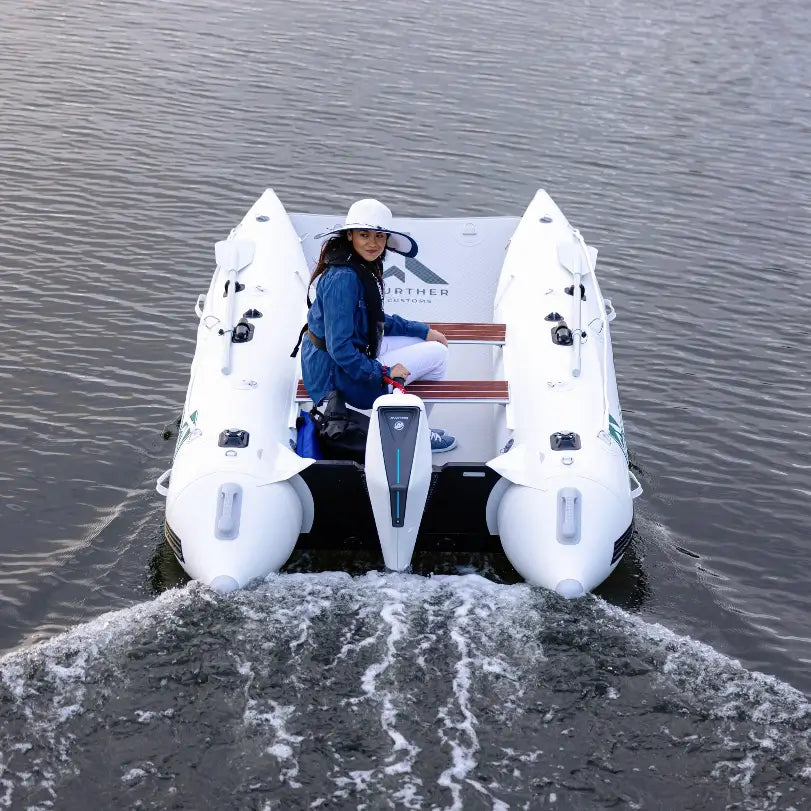

Winterizing an inflatable boat or catamaran means washing away salt and grime, drying every surface completely, protecting the fabric with a UV coating, servicing the motor, and storing the boat in a cool, dry space away from rodents and sunlight. Miss a step and you risk mildew, tube degradation, or a motor that won't start in spring. Below is the exact checklist we walk Further Customs owners through every fall.
Why Winterizing Actually Matters
Inflatable tubes are built from tough PVC or Hypalon, but neither material is invincible. At FurtherCustoms, we know that trapped moisture can breed mold inside seams, UV exposure can break down fabric coatings over idle months, and a battery left connected all winter can corrode or die outright. None of this is difficult to prevent - it simply needs to happen in order, before temperatures drop and the boat gets shoved into a corner of the garage.
The Winterization Checklist
1. Wash away salt, sand, and grime. Rinse the entire hull, floor, and tubes with fresh water and a mild boat soap. Saltwater residue left over winter accelerates fabric breakdown and hides small punctures under a layer of grit.
2. Inspect every seam and valve.
Run your hands along each seam and check valves for cracking or stiffness. Catching a slow leak now saves you from starting next season with a soft tube nobody noticed.
3. Dry it completely.
This is the step people skip and regret most. Even a damp patch under a folded tube can turn to mildew within weeks. Let the boat air dry fully for a day, flipping it if needed to reach every fold.
4. Apply a UV and fabric protectant.
A product like 303 Protectant, wiped on with a soft cloth, guards against UV breakdown and keeps PVC or Hypalon supple through months of storage. Skip silicone-based sprays, which can degrade seam glue over time.
5. Service the motor, if you run one.
For electric outboards, wipe down connections, check for corrosion, and store the motor upright and dry. For gas motors, stabilize the fuel, run the engine briefly to circulate it, and flush the cooling system per manufacturer instructions.
6. Pull the battery.
Disconnect and remove any battery, clean the terminals, and store it somewhere temperate -not in an unheated shed where deep cold shortens its life. A trickle charger over winter keeps it ready for spring.
7. Decide: fully deflated or partially inflated?
Both work. Full deflation saves space and is the standard for cold climates; partial inflation (around 50–70%) reduces fold stress on the seams if you have the room. Never store an inflatable boat at full pressure indoors, where temperature swings can over-pressurize the tubes.
8. Choose the right storage spot.
Cool, dry, and out of direct sunlight beats everything else. A climate-controlled garage is ideal; if that's not available, a breathable boat cover in a shaded spot is the next best thing. Avoid airtight tarps, which trap condensation against the fabric.
9. Store accessories separately.
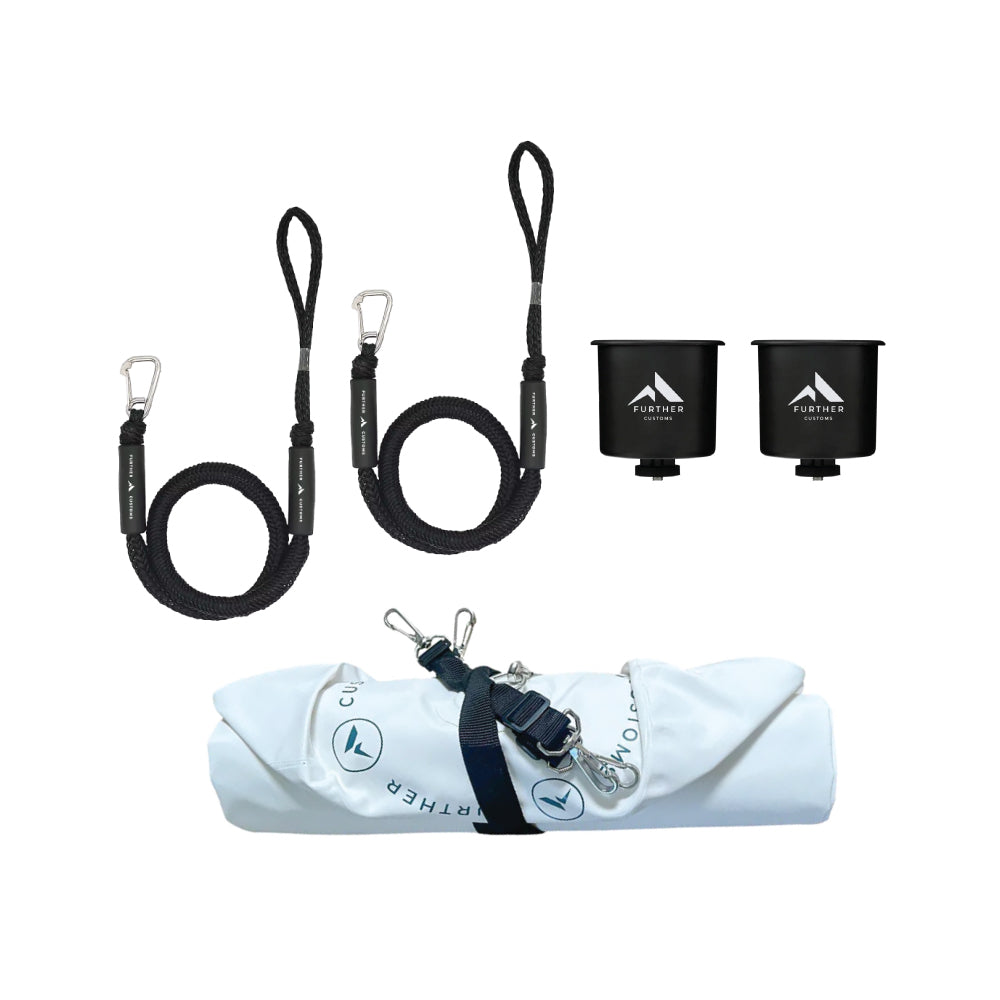
Oars, pumps, cushions, and repair kits should come off the boat and get their own dry storage. Leaving hardware attached all winter creates pressure points that wear the fabric unevenly.
10. Set a reminder for a spring once-over.
Before the first launch, re-inspect seams, top off air pressure, reconnect the battery, and test the motor. A five-minute check now prevents a ruined first weekend on the water.
Frequently Asked Questions
Do I need to fully deflate my inflatable catamaran for winter storage?
Not necessarily. Full deflation is safest for cold or fluctuating climates, but partial inflation works fine if you have indoor space away from temperature extremes.
Can I store an inflatable boat outside?
You can, but it shortens the fabric's lifespan. If outdoor storage is your only option, use a breathable, UV-rated cover and avoid low spots where water pools.
How often should I reapply UV protectant?
Once before winter storage and again in early spring covers most owners. Boats used often in strong sun may benefit from a mid-season application too.
Does cold weather damage inflatable tubes?
Cold itself isn't the enemy -trapped moisture and freeze-thaw cycles are. A dry, protected boat handles winter temperatures without issue.
Ready for Spring? We're Here to Help
A little care each fall keeps an inflatable catamaran performing like new for years. If your current boat isn't holding up the way it should, or you're ready for a hull built for easier off-season storage, the Further Customs team is happy to talk through your options. Reach out for winterizing advice specific to your model, or browse our fold-flat, low-maintenance catamaran tenders built for exactly this kind of long-term ownership.