
Fused vs. Woven Mesh: The Core Decision
Every inflatable water hammock on the market falls into one of these two camps, and the choice shapes almost everything else about the purchase.
|
Feature |
Fused Mesh |
Woven Mesh |
|
Comfort |
Consistent Depth |
Sags Like Trampoline |
|
Weight |
Lighter |
Heavier |
|
Edges |
Fused to Sidewall, Fully Enclosed Barrier |
Feet and Debris can Slip through Edges |
|
Durability |
Patchable |
Replaceable |
|
|
Skin stays cooler |
Water layer can warm skin |
|
Weight capacity |
Similar |
Similar |
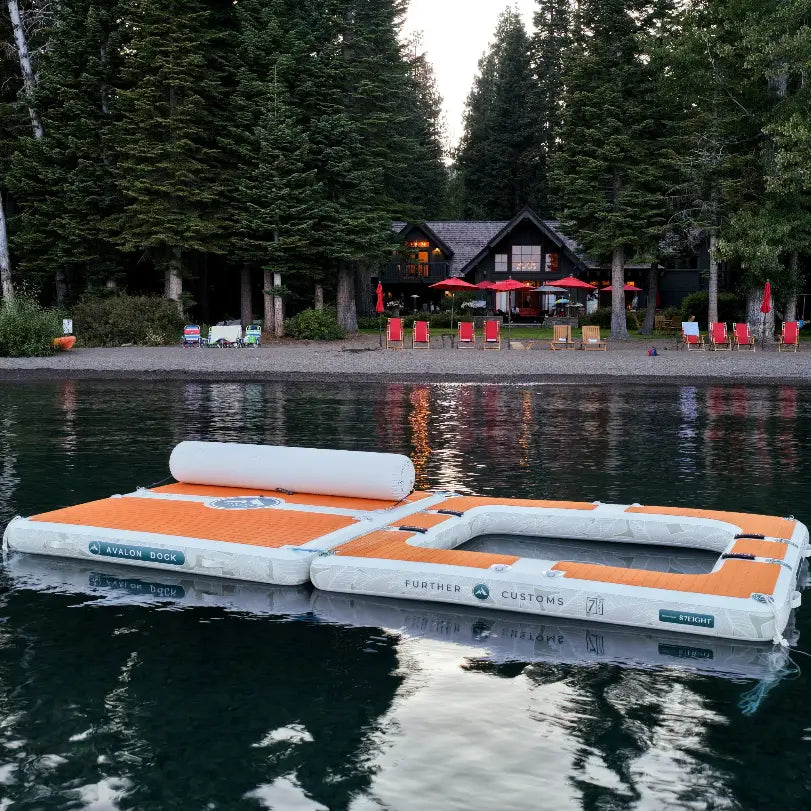
Mounting or anchoring an inflatable water hammock alongside your boat or dock instantly expands your usable lounge space while creating a comfortable place to relax and stay cool in the water. The inflatable perimeter also provides a soft buffer from hard dock edges and boat hulls, creating a more comfortable area for swimmers to hang out, socialize, and enjoy the water without having to climb back aboard.
What Actually Determines Quality
Two hammocks can look nearly identical in photos and perform very differently in the water. A few things separate the ones worth buying from the ones that puncture in a season:
- Material gauge and layering. Look for thicker marine grade PVC with additional reinforcing layers, not generic pool-toy vinyl.
- Seam construction. Higher quality construction builds will have an additional 2cm layer of PVC tape along the seams to provide long term protection against the sun and salt water.
- Weight capacity vs. real-world use. A hammock rated for 400 lbs solo often performs differently with two or three people shifting weight -check if the rating reflects static or active load. Consider the thickness of the sidewall and dimensions of the perimeter keeping the hammock mesh afloat.
- Anchor points and tether compatibility. Multiple D-rings spaced around the perimeter let you anchor to a dock, boat cleat, or even a paddleboard without the hammock spinning or drifting. If you're a boater, having D-rings located on the sidewalls may result in scuffing and damager to the fiberglass and clearcoat of your boat. For that reason, we recommend platforms with D-rings exclusively on the top and bottom of the platform.
- Pack size and inflation time. A hammock that rolls down small and inflates in under two minutes gets used far more often than one that takes a hand pump and a half hour. Platforms with gaps in between the decking allow for easier folding and rolling without causing damage to the EVA padding on top.
How to Match a Hammock to Where You'll Use It
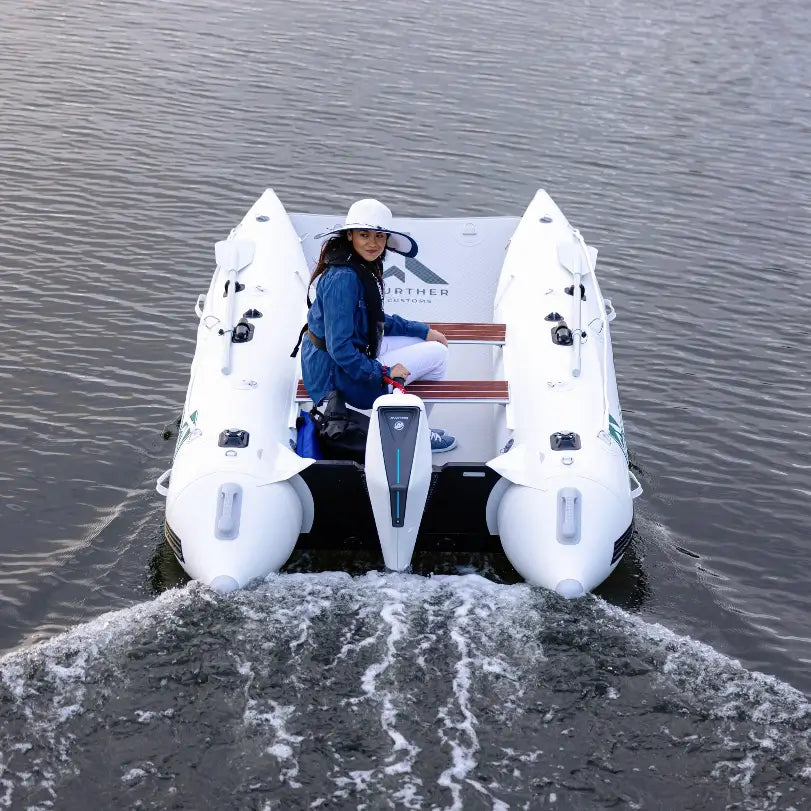
If you're using a water hammock alongside a boat or inflatable catamaran, look for a durable mesh floor, reinforced layers with seam tape, and the right dimensions to float your whole party comfortably.
One of the biggest differences between water hammocks is the type of mesh used. Fused and woven mesh each feel and perform differently with unique benefits so it's worth understanding the advantages of each before deciding which style is right for you.
Ready to add a water hammock to your setup? Further Customs offers a variety of both fused and woven mesh water hammocks to choose from.
Frequently Asked Questions
Do inflatable water hammocks pop easily?
Not if they're built with reinforced, UV-rated material and heat-welded seams. Most punctures come from dragging a hammock across rocks or docks rather than normal floating use, and most quality models ship with a patch kit for exactly that scenario.
How much weight can a water hammock hold?
Capacity varies by model, but most sit between 300 and 500 lbs. Always check whether that figure is a static rating or reflects people moving around on it, since active load is the more realistic test.
Can you anchor a water hammock to a boat?
Yes, as long as it has multiple D-rings. Mesh-floor styles are generally the better match for boat use since they don't hold saltwater against the deck or platform.
Mesh or trampoline -which lasts longer?
Mesh floors typically last longer in saltwater or high-sun environments because there's no standing water to break down the material over time. Trampoline floors hold up well in freshwater but need more thorough drying between uses.