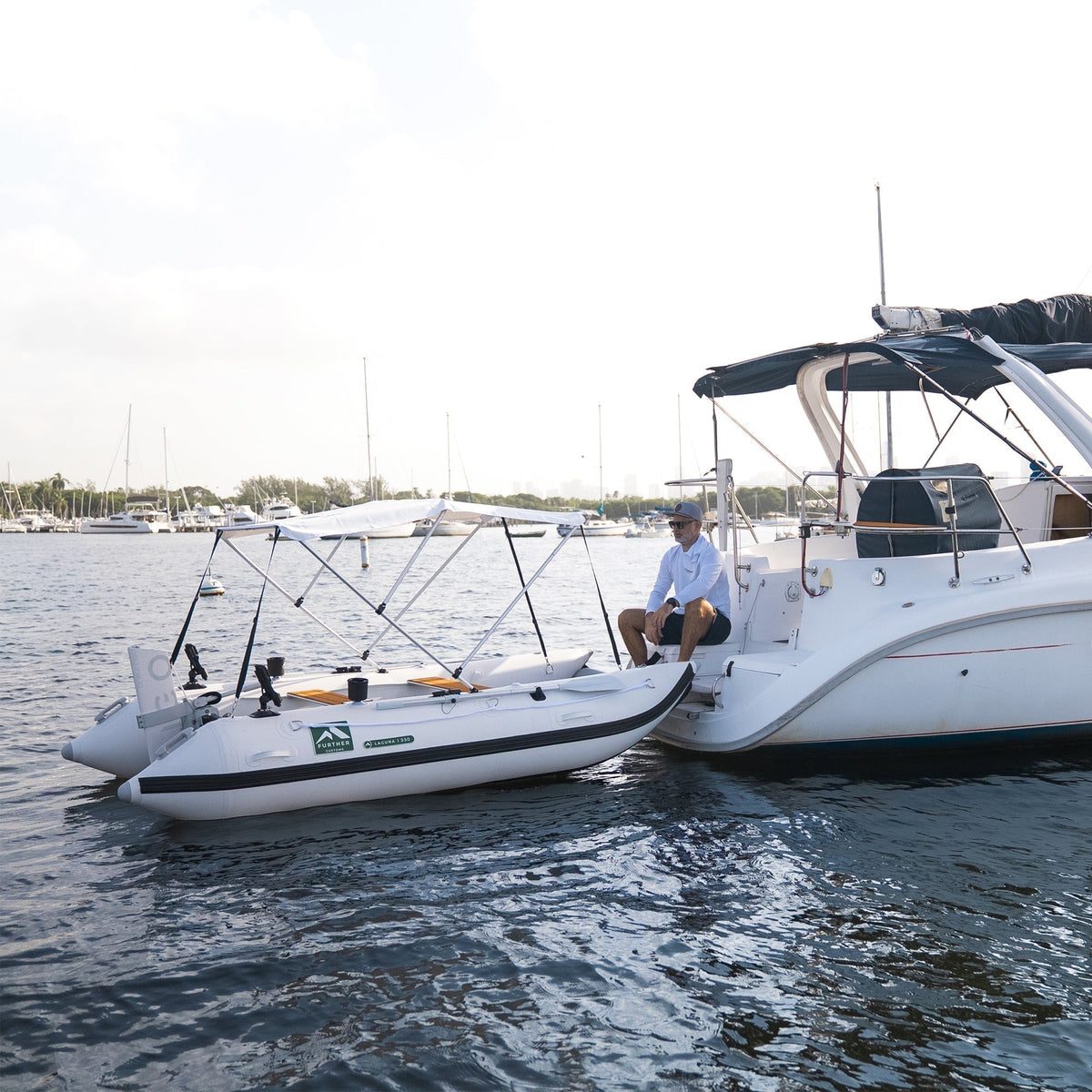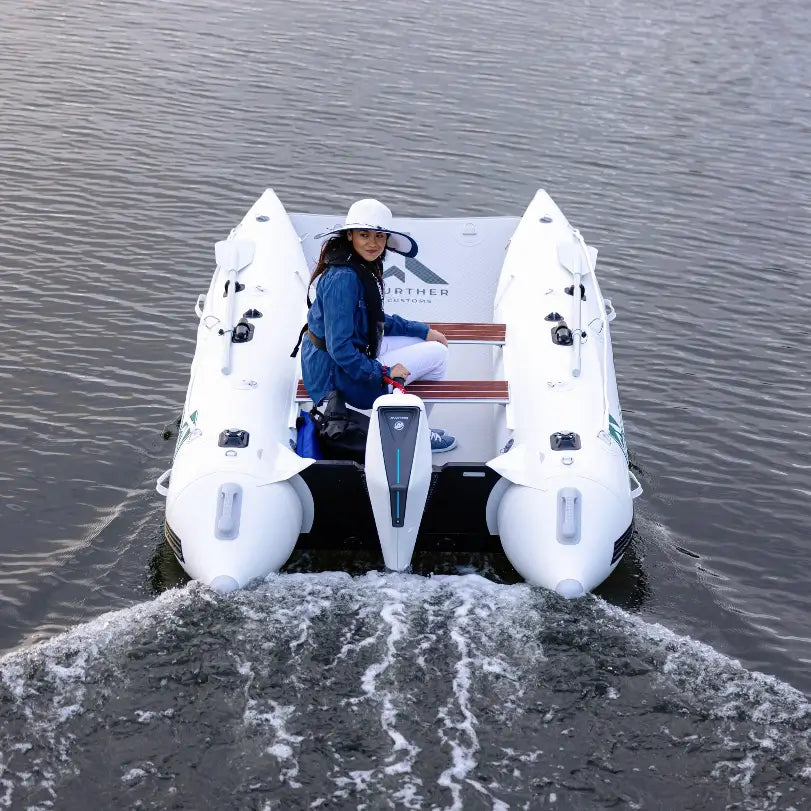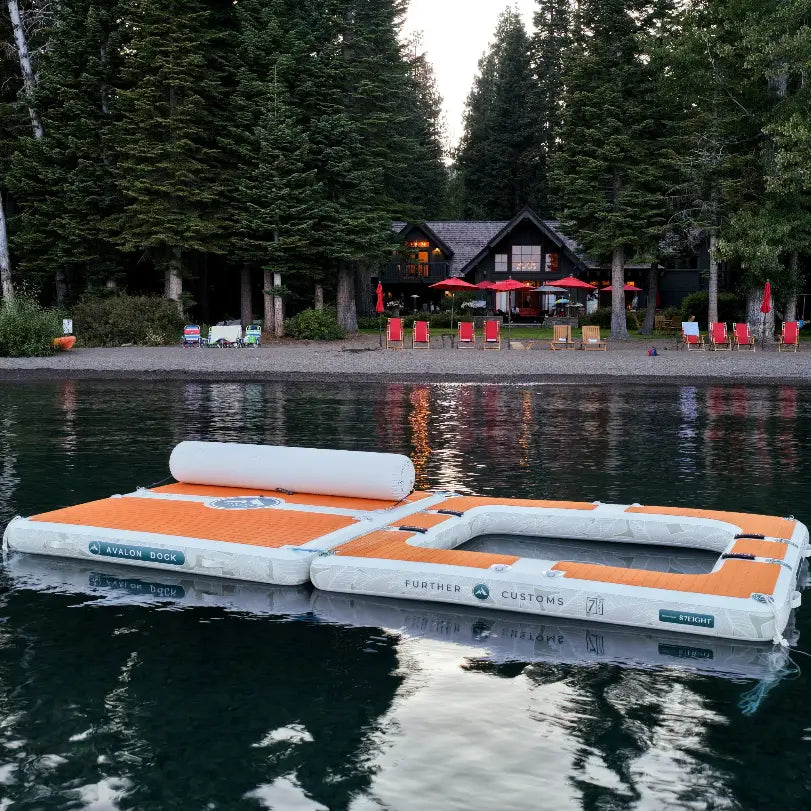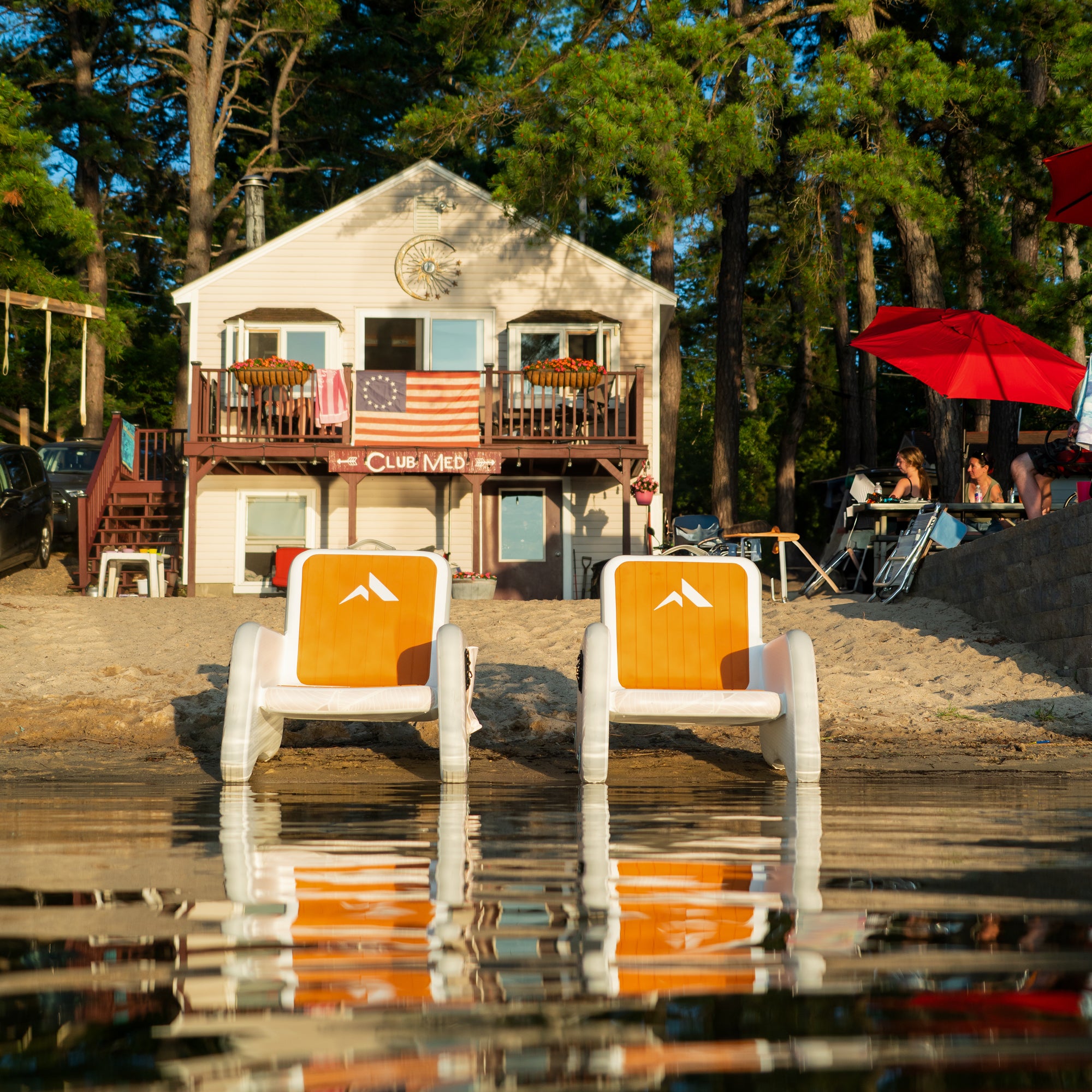
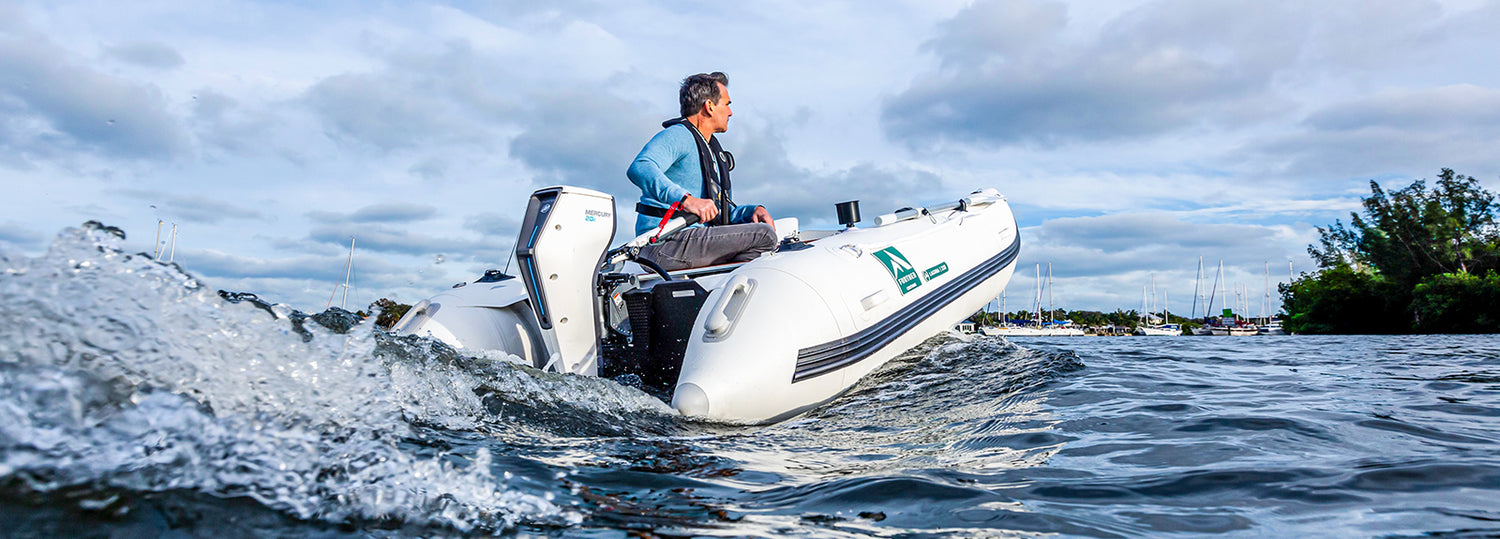
A portable boat is any watercraft built to deflate, fold, or break down small enough to store in an RV bay, a sailboat's lazarette, or a dock box - no trailer, no marina slip, no crane required. For RV owners, sailors, and condo dwellers short on space, the best portable boats are inflatable catamarans and foldable dinghies that pack down to duffel-bag size yet hold a rigid, stable shape once inflated on the water.
What Actually Makes a Boat "Portable"?
Not every small boat qualifies. A hard-shell dinghy might be eight feet long, but if it still needs a trailer or roof rack, it isn't solving a storage problem. True portability comes down to three things: how small it packs, how much it weighs when packed, and how fast one person can get it from bag to water. Inflatable catamarans hit all three because their tube-and-floor construction collapses flat, unlike rigid hulls that only shrink so much no matter the material.
Portable Boats for RV Owners
RVers already fight for every cubic foot of storage, so a boat that eats up an entire basement bay defeats the purpose of bringing one. A folded inflatable catamaran typically stores in a bag roughly the size of a large duffel or golf bag, sliding into an RV's exterior storage compartment alongside camp chairs and hoses. Setup at a lake or coastal campground usually takes 10-15 minutes with a portable pump, and breakdown is just as fast when it's time to move on. This matters most for full-timers and weekend campers who want lake access without towing a second trailer behind their rig.
Portable Boats for Sailors Who Need a Packable Dinghy
Sailors face a different problem: deck space and davit weight limits. A hard dinghy lashed to the foredeck blocks sightlines and adds windage; a heavy RIB tender can strain davits and tip the boat's trim. A packable inflatable catamaran solves both. Deflated, it stows in a cockpit locker or lazarette instead of living on deck, and when it's time to go ashore, it inflates rigid enough to handle chop that would swamp a flimsier single-tube inflatable. For cruisers doing extended passages, that combination of low stowed weight and real seaworthiness is usually the deciding factor over a hard tender.
Portable Boats for Condo, Apartment & Dock Dwellers
Living near the water doesn't guarantee a place to keep a boat. Condo storage units, apartment closets, and rented dock boxes are all sized for kayaks and paddleboards, not 12-foot hulls. A deflated catamaran or foldable dinghy fits that same footprint - most owners store theirs on a closet shelf or in a dock box no bigger than a large cooler. That opens up boating to anyone renting a slip or living in a building without a private garage, without paying for offsite trailer storage.
Portable Boat Storage at a Glance
|
Living Situation |
Best Boat Type |
Packed Size (approx.) |
Typical Setup Time |
|
RV / travel trailer |
Inflatable catamaran |
Large duffel bag |
10-15 minutes |
|
Sailboat / cruising yacht |
Foldable inflatable tender |
Cockpit locker or lazarette |
10-15 minutes |
|
Condo / apartment |
Compact inflatable dinghy |
Closet shelf |
15-20 minutes |
|
Rented dock slip |
Inflatable catamaran |
Dock box |
10-15 minutes |
Short on space but not ready to give up boat access?
Further Customs builds fold-flat inflatable catamarans designed specifically for RV bays, sailboat lockers, and dock boxes - browse the lineup and find the size that fits your storage, not the other way around.
Frequently Asked Questions
Can a portable boat handle open water, or just calm lakes?
Quality inflatable catamarans with rigid floors and multi-chamber tubes handle coastal chop and moderate swell well; they're built as real tenders, not toys, though conditions and hull design still matter.
How much does a portable boat weigh when packed?
Most fold-flat inflatable catamarans weigh between 40 and 90 pounds packed, depending on size, light enough for one or two people to carry without a dolly.
Do portable boats need registration like any other boat?
In most states, yes - if it has a motor or exceeds a certain length, it needs the same registration as a hard-hulled boat, regardless of how it's stored.
Will a portable boat last as long as a rigid hull?
With proper care - rinsing, dry storage, and avoiding prolonged UV exposure - a well-built inflatable catamaran can last well over a decade, similar to a hard-shell tender with regular maintenance.